
 Last week I attended a media training event and was interviewed by Mike Koenigs. He asked me about the root of my passion for correcting learning and attention challenges. And I remembered a student, a 12-year-old boy…
Meeting Frankie
Thirty-five years ago, I was teaching special education in a public school when Frankie slouched through my door. He was very bright and kind of charming, but belligerent and a little scary at the same time. At 12, he was already entrenched in a gang and everyone in the school, including the teachers, knew not to mess with Frankie.
Frankie was coming to see me because he couldn’t read or write. I really liked him and I promised him I’d teach him to read, but I failed him. I didn’t know how to get to the root of the problem. I didn’t even know what the root of the problem was.
Frankie didn’t think he could learn, but I just knew that couldn’t be right. I left the public schools and went in search of the experts around the world who were doing the clinical research in the field.
Learning Is Like a Continuum
What I found was that learning is like a continuum. School subjects are at the top of the continuum, but there 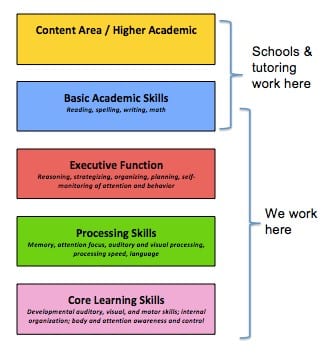 are whole sets of underlying skills, such as memory, attention, and auditory and visual processing, that must be in place in order to learn easily up at the top of the continuum. These skills are not taught in schools or traditional tutoring; they are assumed. When any of these skills are weak, it’s like working at the top of a ladder when some of the rungs are not stable. It’s always going to be harder because a lot of your mental energy and attention has to go to not falling off the ladder.
The brain research over the last 30 years has shown us that the brain can change – literally be rewired through intensive and targeted training. If we want to permanently change dyslexia or a learning disability, we have to identify and develop the underlying skills that are at the root of the problem.
What Could Have Been Different
It breaks my heart to think what may have happened to Frankie as an intelligent, frustrated, non-reader, particularly with his early gang affiliation, because I know now, that at least the non-reader part of the story could have been different.
After 33 years of working with children and adults with learning and attention challenges, I know that most of these challenges can be dramatically improved or completely corrected. It takes identifying and developing the weak underlying skills that are at the root of the problem so that the academic skills can be remediated and stick!
If you or your child struggles with learning or attention and you’re ready for real change, we invite you to …
Quick Answers
What are underlying skills that affect learning?
Learning is like a continuum. School subjects are at the top, but there are whole sets of underlying skills, such as memory, attention, and auditory and visual processing, that must be in place in order to learn easily.
Can the brain change to make learning easier?
Brain research over the last 30 years has shown that the brain can change, literally be rewired through intensive and targeted training.
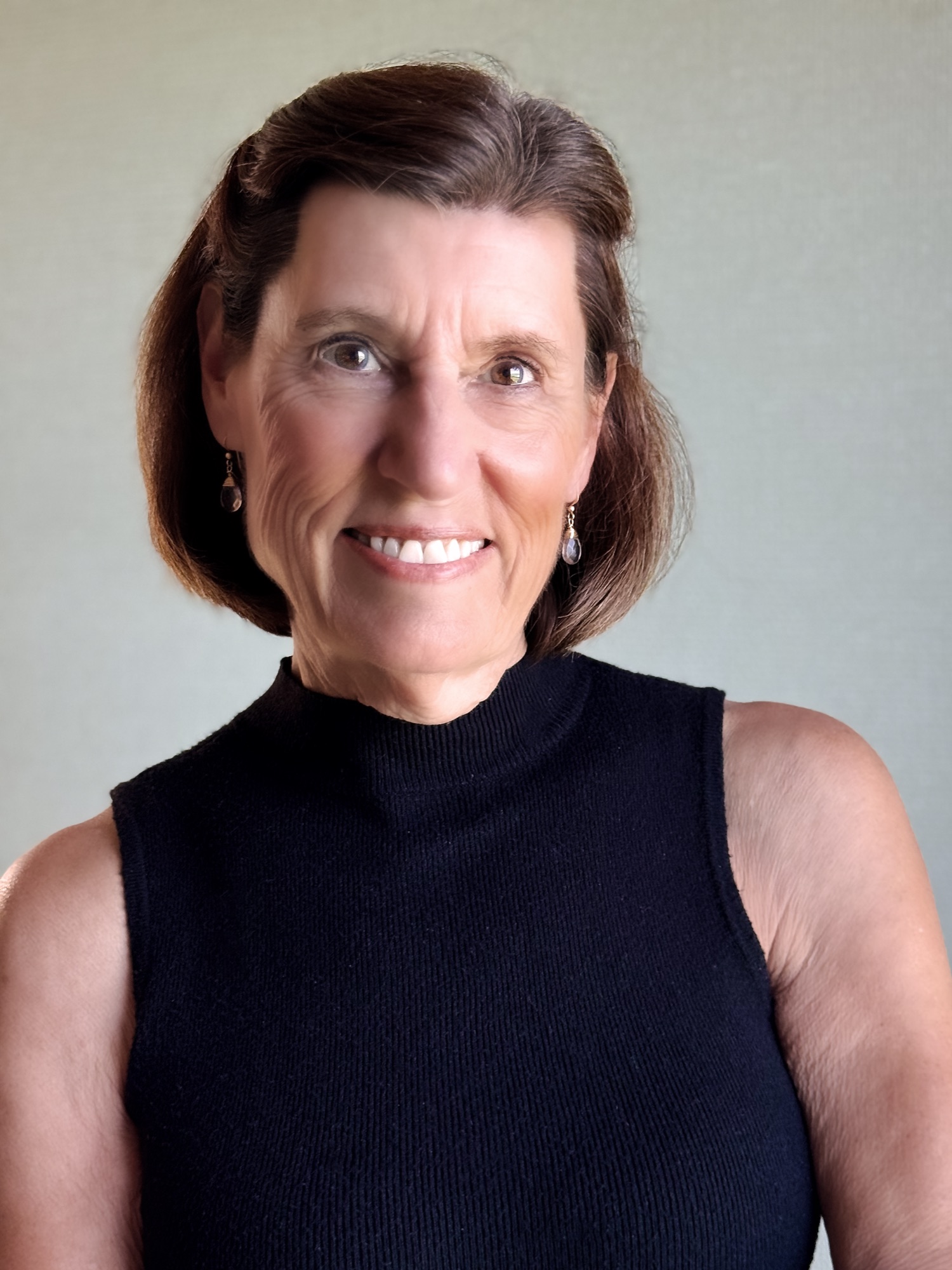
Jill Stowell, M.S.
Founder and Executive Director of Stowell Learning Centers and bestselling author of At Wit's End and Take the Stone Out of the Shoe. For more than 40 years, Stowell Learning Centers has helped children and adults correct the root causes of dyslexia, learning, and attention challenges. More about Jill
Is your child working harder and still struggling?
Talk with a Learning Specialist for free. We'll help you understand what may be getting in the way and what to do next.
Or call 877-774-0444 | Chino | Irvine | Pasadena | Remote programs nationwide
Not sure where to start? Take our free Learning Challenge Quiz
Ready to take the next step?
Speak to a Learning Specialist to learn more about the results from students and parents at Stowell Learning Centers.