
WATCH
LISTEN
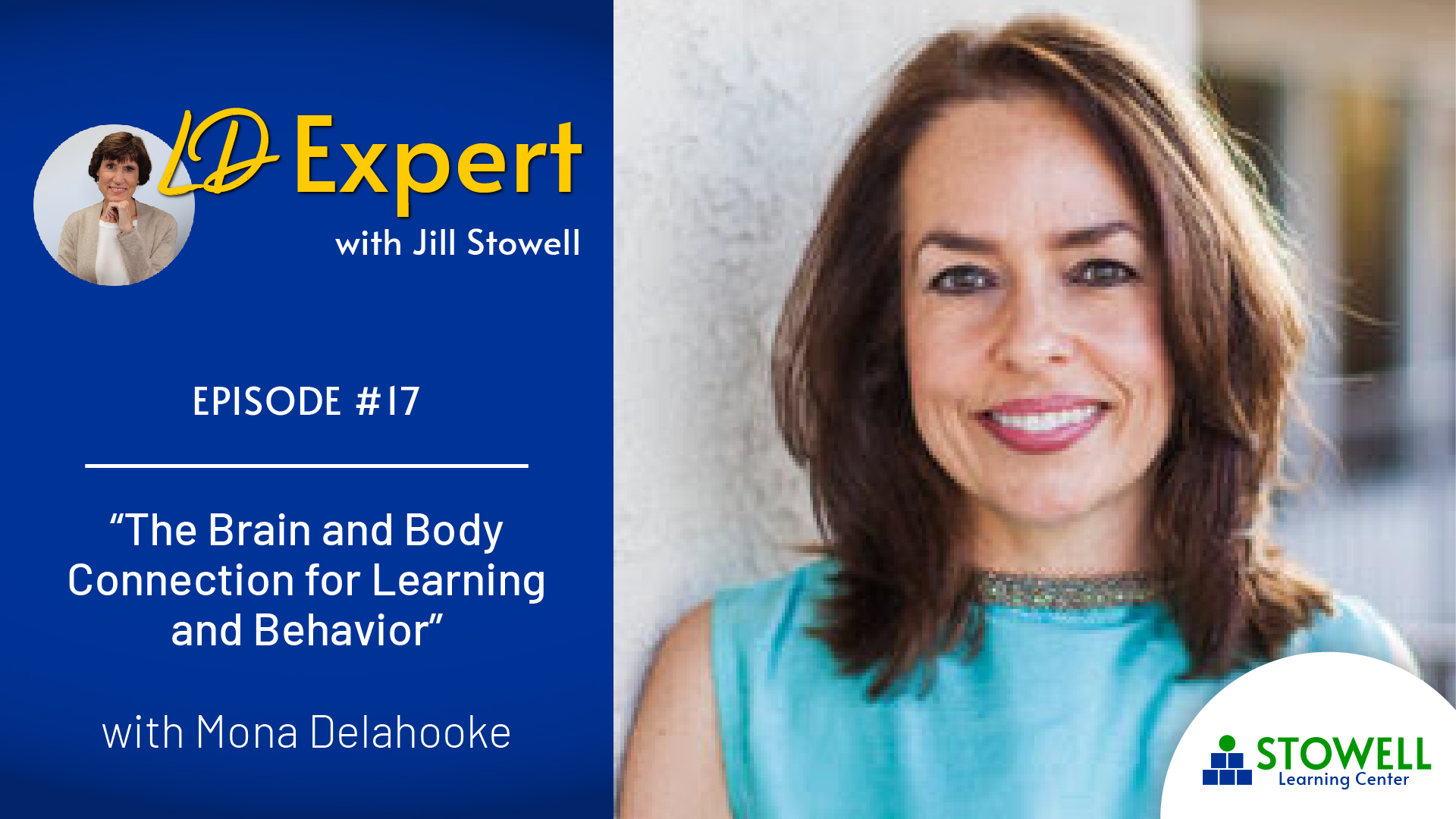
In this Episode
Dr. Mona Delahooke shares that a child acting out and being difficult isn’t intentional or planned. It’s actually the body’s nervous system reacting to stress, protecting itself, and looking for an outlet - usually movement - to feel calm again.
You'll learn about the importance of the body-brain connection in behavior and how it affects learning:
- The biology beneath the behavior
- How to spot the signs that your child’s behavior is really due to stress
- Why play is critical to your child's learning
Episode Highlight
“The paradigm shift is that behaviors are the tip of the iceberg, and what lies underneath, the invisible part under the waterline, are those millions of causes that we need to look at, ideally before we start messing around with behaviors, because behaviors can be protective and they often are protective to our children.”
- Dr. Mona Delahooke
Resources
- Brain Body Parenting - by Dr. Mona Delahooke
- Monadelahooke.com
- Let’s Get Moving - Blog article
- The Lost Art of Questioning - Blog article
- The Gift of Movement and Unstructured Play - Blog article
Bonus Q&A
Any help for when children are really distracted and need additional help with their learning?
The short answer is to get curious and creative. Find what piques the child’s interest so you can make the material more appealing and exciting, like introducing play.
Tune in to the Bonus Q&A for a more detailed explanation.
Quick Answers
Is my child acting out on purpose?
Dr. Mona Delahooke shares that a child acting out and being difficult isn't intentional or planned. It's actually the body's nervous system reacting to stress, protecting itself, and looking for an outlet, usually movement, to feel calm again.
What does it mean that behaviors are the tip of the iceberg?
Dr. Mona Delahooke says behaviors are the tip of the iceberg, and what lies underneath, the invisible part under the waterline, are millions of causes that we need to look at, ideally before we start messing around with behaviors, because behaviors can be protective to our children.
How can I help a distracted child who needs extra help learning?
The short answer is to get curious and creative. Find what piques the child's interest so you can make the material more appealing and exciting, like introducing play.

Jill Stowell, M.S., Host of the LD Expert Podcast
Founder and Executive Director of Stowell Learning Centers and bestselling author of At Wit's End and Take the Stone Out of the Shoe. For more than 40 years, Stowell Learning Centers has helped children and adults correct the root causes of dyslexia, learning, and attention challenges. More about Jill
Is your child working harder and still struggling?
Talk with a Learning Specialist for free. We'll help you understand what may be getting in the way and what to do next.
Or call 877-774-0444 | Chino | Irvine | Pasadena | Remote programs nationwide
Not sure where to start? Take our free Learning Challenge Quiz
More Episodes
Listen, Watch and Subscribe
Subscribe to the LD Expert podcast in your preferred player and sign up for our newsletter. Get the answers and proven solutions for dyslexia, learning differences and attention challenges sent directly to your inbox.