
A mom walked by with a baby who was wearing a soft helmet. Being an unusual sight, I and most other people they passed glanced a little longer than typical at the baby.
Why was a baby wearing a helmet like that?
The question was quickly answered by the statement printed in large colorful letters on the helmet that said: JUST FIXING MY FLAT. And just like that, no one gave it another thought.
Most people don’t really want to stand out in a crowd. They don’t want to be “different.” This is a big concern for parents whose children struggle in school, and particularly when they are being pulled out of class to get extra help.
Understandably parents wonder how it will affect their child’s self-esteem if they have to attend tutoring or a specialized cognitive training program like ours at Stowell Learning Center.
Here are some thoughts about that:
First, students spend years and years in school. They don’t have a choice. Most students who have difficulty in school know they are struggling. They can quickly see that they are the last to finish, or the one who has to stay in at recess, or that their grade was lower than their peers’ even though they studied hard.
Give Them Language
Here’s the bottom line about learning disabilities and dyslexia: By definition, the person is smart – at least average intelligence but often much higher – in spite of the fact that some aspects of learning are difficult.
Help students to understand that and give them language so they know what to say to their friends when they have to leave the class to go the Education Specialist’s room or can’t play after school because they have tutoring. Keep it simple and direct. Like the baby with the helmet, a little bit of explanation will cause most classmates to move on and forget about it.
Examples
- “I get distracted easily so I take my tests in a quieter room.”
- “I’m getting help to make math easier.”
- “ My mom says I’m smart, but I have dyslexia so that makes reading hard. The learning center is helping make reading easier.”
Notice the word “easier.” Nobody wants to be told they need to be “better,” but most people would love for things to be easier.
Get Help That Will Address The Real Issues And Permanently Correct The Problem
Learning challenges will make a child feel different. They often make really bright children and adults feel dumb. But it doesn’t have to be this way.
Most learning and attention challenges are the result of weak underlying learning/processing skills that are not supporting the learner well enough. These are skills like memory, focus, auditory or visual processing, processing speed, comprehension, and visual-motor integration and organization.
The great news is that these underlying skills can be developed. The brain can be retrained to process information more effectively. Reading, math, spelling, writing, and organization skills can be remediated and will stick, once the brain is getting complete and accurate information to think with.
If your smart child or teen is feeling “different” because of struggles in school and you’re ready for something to change…
Quick Answers
What do I tell my child about his learning difference?
Give them language so they know what to say to their friends. Keep it simple and direct, because a little bit of explanation will cause most classmates to move on and forget about it.
Will getting help make my child feel different?
Learning challenges will make a child feel different, and most students who have difficulty in school know they are struggling. It doesn’t have to be this way, and the underlying skills can be developed.
Why use the word “easier” when talking about help?
Nobody wants to be told they need to be better, but most people would love for things to be easier.
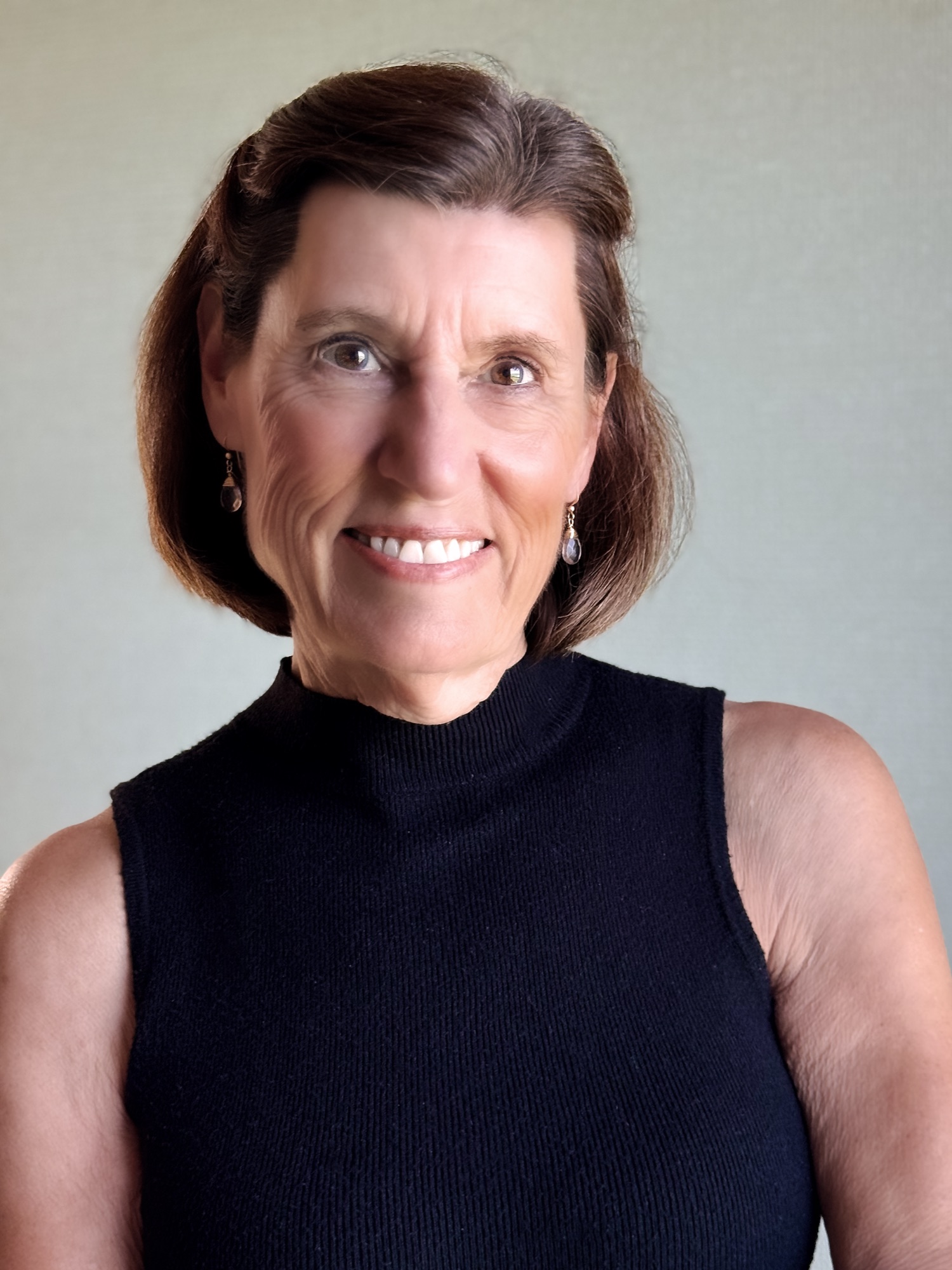
Jill Stowell, M.S.
Founder and Executive Director of Stowell Learning Centers and bestselling author of At Wit's End and Take the Stone Out of the Shoe. For more than 40 years, Stowell Learning Centers has helped children and adults correct the root causes of dyslexia, learning, and attention challenges. More about Jill
Is your child working harder and still struggling?
Talk with a Learning Specialist for free. We'll help you understand what may be getting in the way and what to do next.
Or call 877-774-0444 | Chino | Irvine | Pasadena | Remote programs nationwide
Not sure where to start? Take our free Learning Challenge Quiz
Ready to take the next step?
Speak to a Learning Specialist to learn more about the results from students and parents at Stowell Learning Centers.